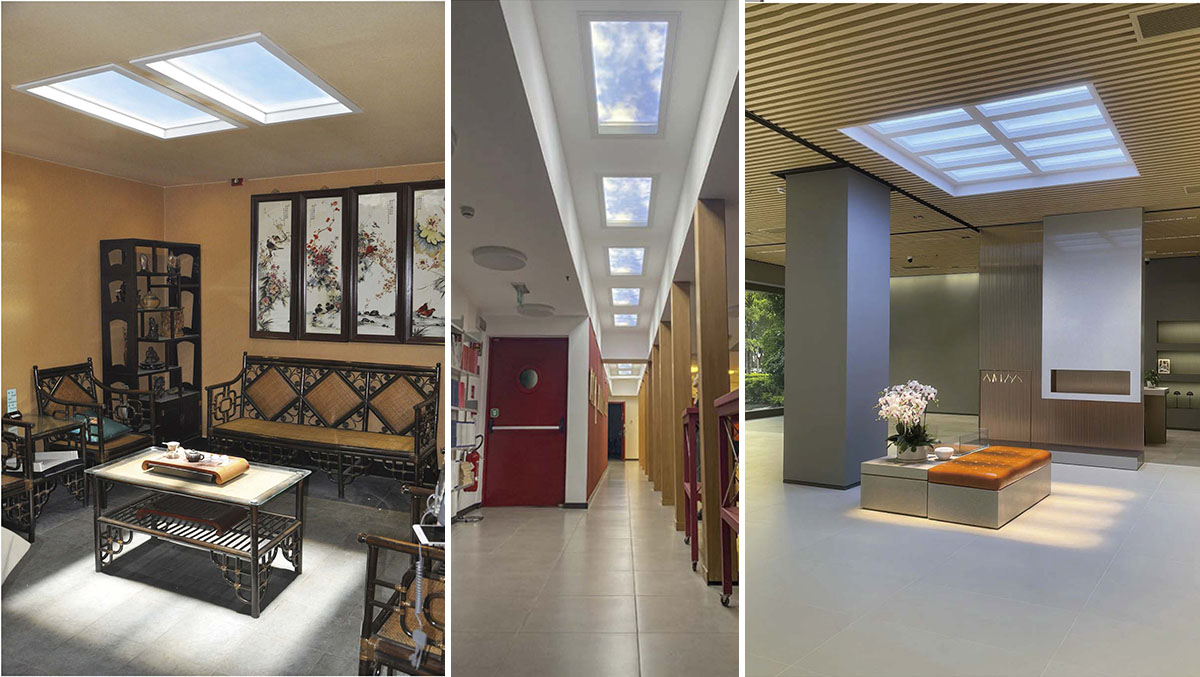
Spaces below ground often suffer from a lack of natural light, resulting in a dark and oppressive atmosphere. By introducing alternative lighting solutions, we can dramatically transform these areas—making them feel more open, welcoming, and increasing their overall usability.
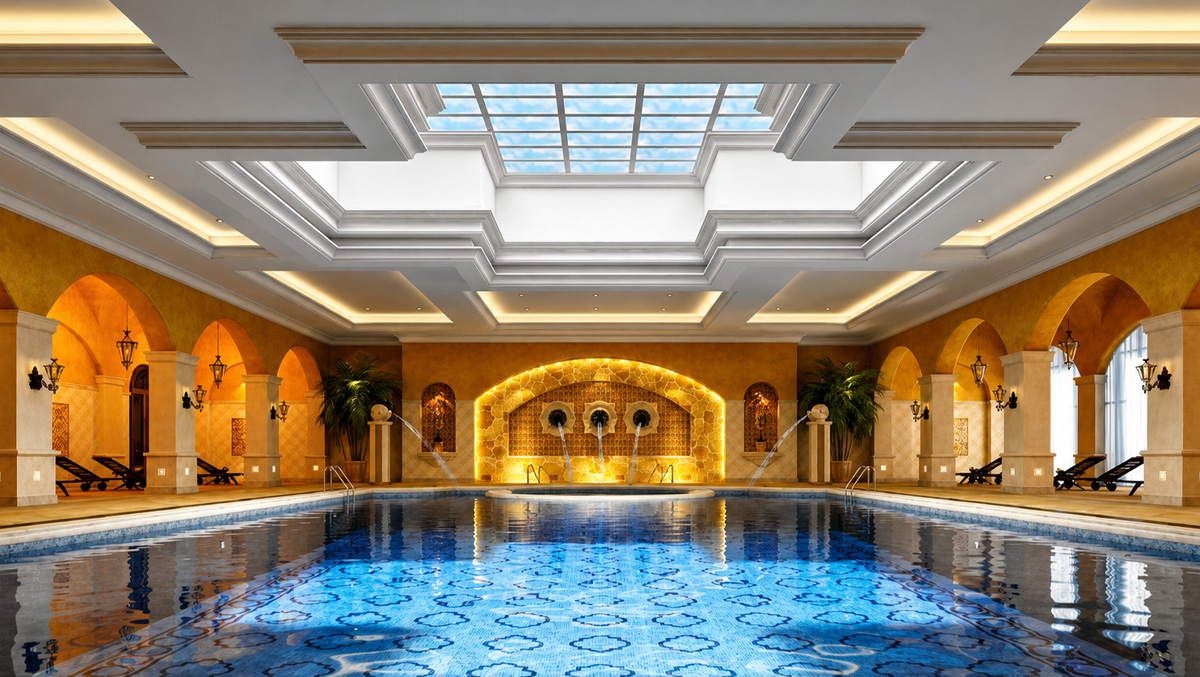
In many buildings, structural limitations or poor orientation can leave interior areas dimly lit. Enhancing natural or artificial light and improving spatial permeability can significantly reduce the sense of confinement, making these spaces feel more expansive and inviting.
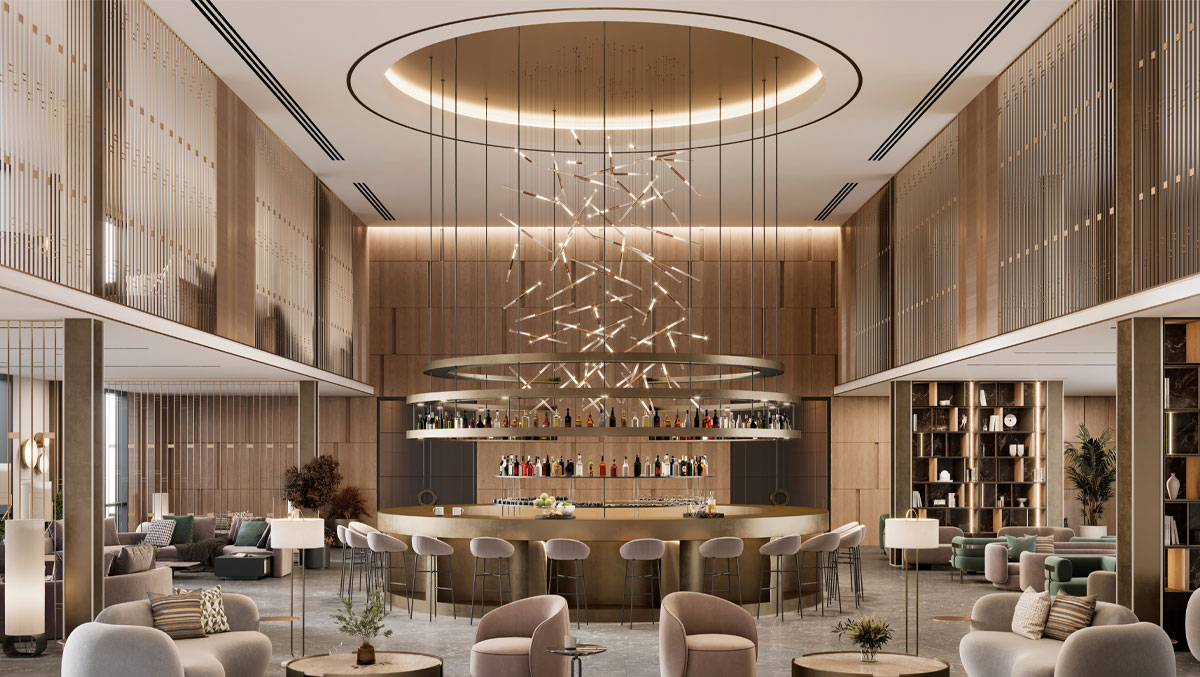
Tall, voluminous interiors benefit greatly from beams of sunlight that cut through the space and reach the floor. When sunlight fills a high-volume area, it not only enhances illumination but also accentuates the verticality, creating an uplifting sense of grandeur. A similar effect can be achieved with correctly positioned and technically advanced artificial light.
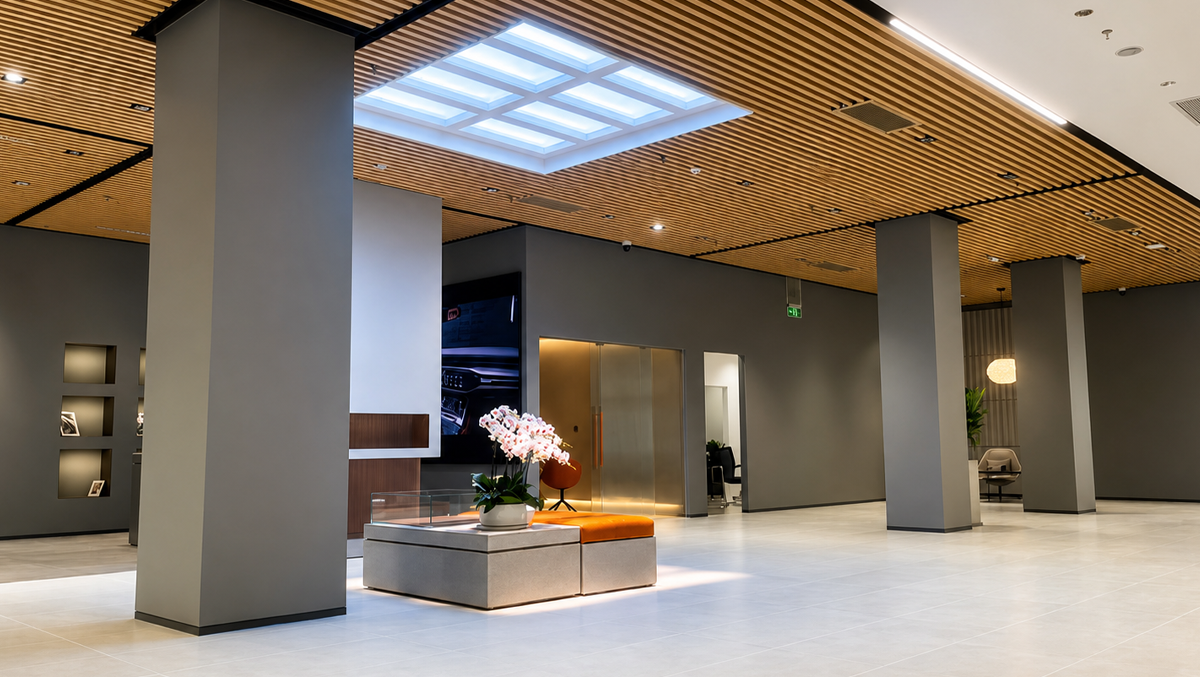
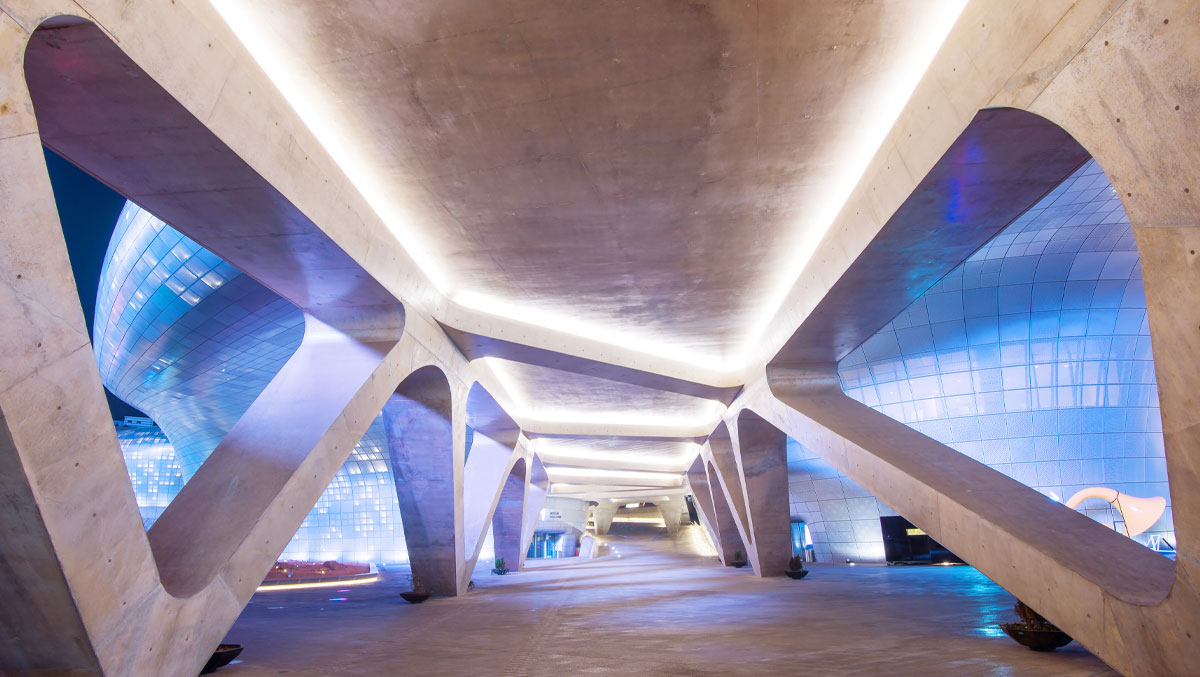
Large, open environments provide the perfect canvas for the play of sunlight and shadow. Harnessing natural or artificial light in these spaces highlights architectural scale and rhythm, turning structural design into a visual experience that captivates and inspires.
Modern architecture places increasing importance on integrating natural elements into design. Infusing light into interior landscapes adds energy and vibrancy, bringing a touch of nature indoors.
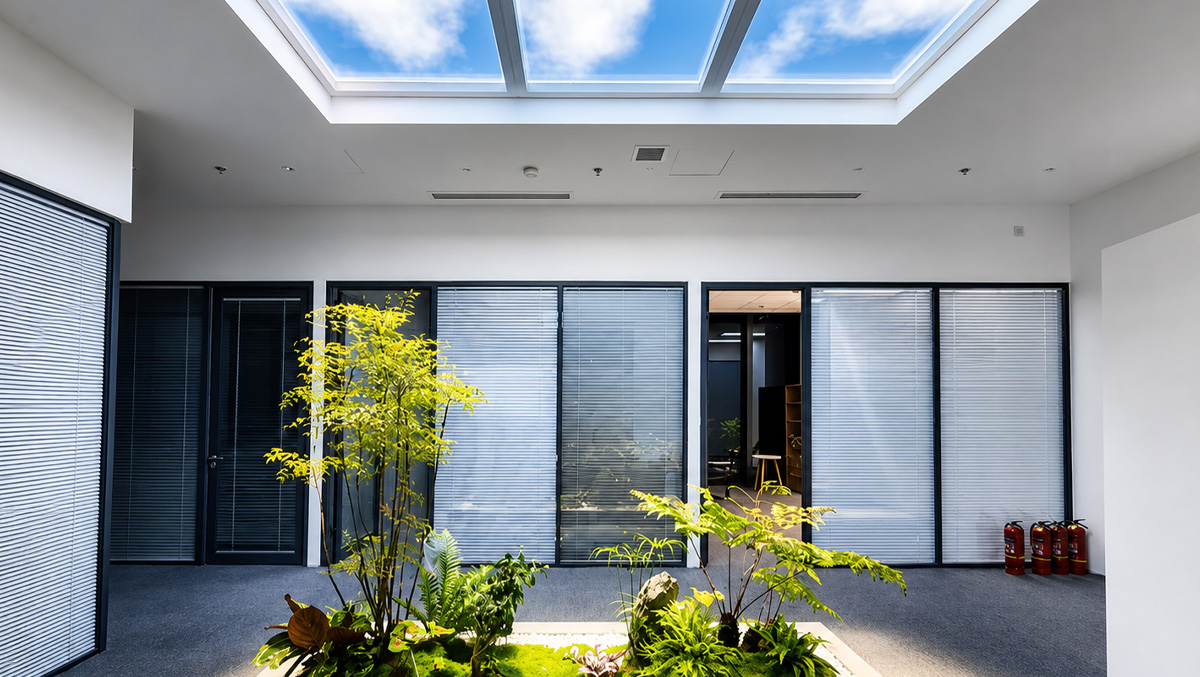
Consumer behavior has evolved beyond simple transactions—shoppers now seek experiences. Brightly lit retail environments foster comfort, improve mood, and enhance brand perception, contributing to a more enjoyable and memorable shopping experience.
To counter the pressures of fast-paced urban life, people crave relaxing environments. Today’s leisure spaces are shifting from dim, enclosed areas toward brightly illuminated settings that promote tranquillity and a connection with the outdoors.
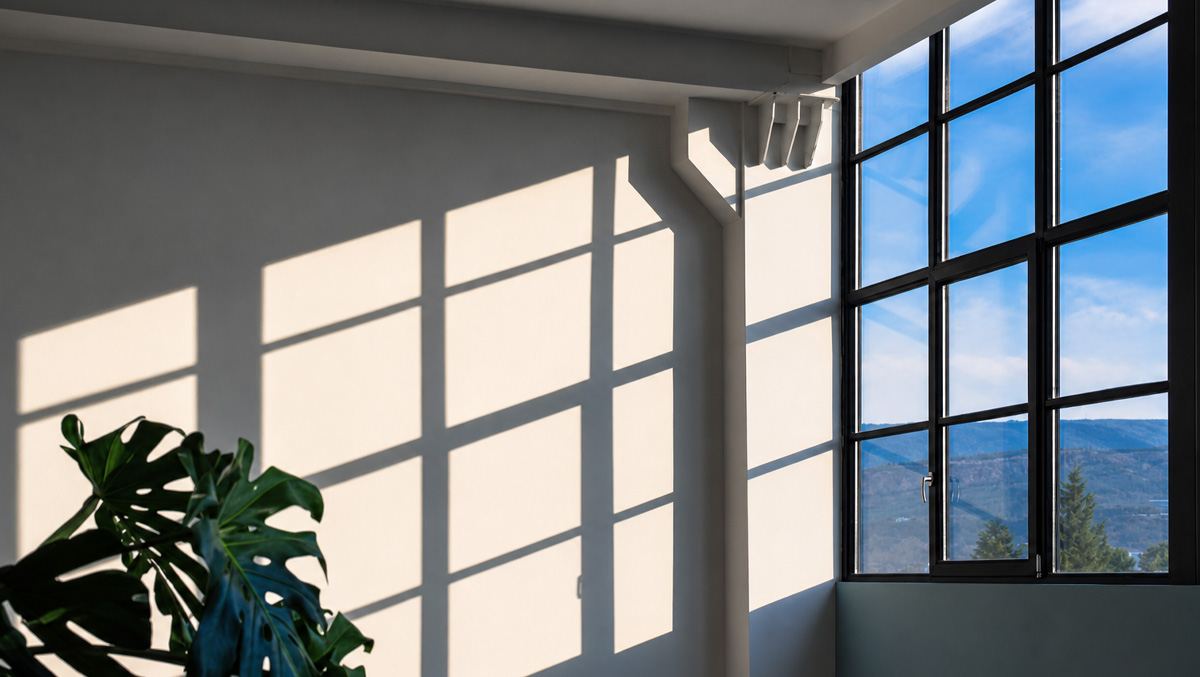
Modern living calls for customisation, especially in homes. Whether it’s basements or back of house areas lacking in natural light, artificial lighting can enhance comfort and functionality. It also supports lifestyle-specific needs—such as functional lighting in sculleries and pantries.
With rising mental health awareness and an aging population, healthcare environments must do more than provide clinical support. Natural light plays a crucial role here—its biological benefits extend beyond illumination, aiding in healing and offering a calming influence essential for recovery and well-being. Often it is not possible to increase natural lighting due to structural and building constraints, the correct artificial lighting solution selection is therefore hugely important.